What Are the Most Common Women’s Health Problems at Every Age?
Learn the most common women's health problems at every age, from PCOS in your 20s to heart and bone health after 50, plus key check-ups for Indian women.
Periods suddenly changed at 19 years old. Always exhausted at 32 years old. Small lump seen at 45. Most women ignore these as “normal for my age”. They are often symptoms of the most frequent women’s health problems.
Women’s health by age is important because women’s health challenges change every decade. And women's health problems in India, like anaemia and thyroid, often start earlier than expected.
This guide takes you through women’s health from your teens to your 60s. Learn what problems to watch for, what helps, which women’s health checks to arrange, and what symptoms to watch for.
The first surprise: Cancer isn't the number one killer among women. Most women don’t really take it seriously until their 50s. So, let's take a step back.
What Are the Most Common Women's Health Problems?
Women’s health is so much more than cycles and pregnancy. The heart, hormones, bones, blood, mind and immune system are the most common women's health problems. These risks aren't static throughout life. They change with the body from puberty to pregnancy to menopause.
Why Do Women Face Different Health Issues Than Men?
Hormones play a big role. Estrogen levels rise and fall during a woman’s life, and each variation alters the chances of developing certain disorders. There are also some diseases that only women can have, such as cervical cancer, ovarian cancer, PCOS and endometriosis. Some are more common or more serious in women:
- Autoimmune illnesses: such as lupus and rheumatoid arthritis: women account for about 80% of patients
- Stroke and Alzheimer’s: Both kill more women than men
- UTIs: A shortened urethra means bacteria can enter the bladder faster
So what are the most common health problems for women? It depends on your age and your location.
Women's Health Issues in India: Which Problems Are Most Common?
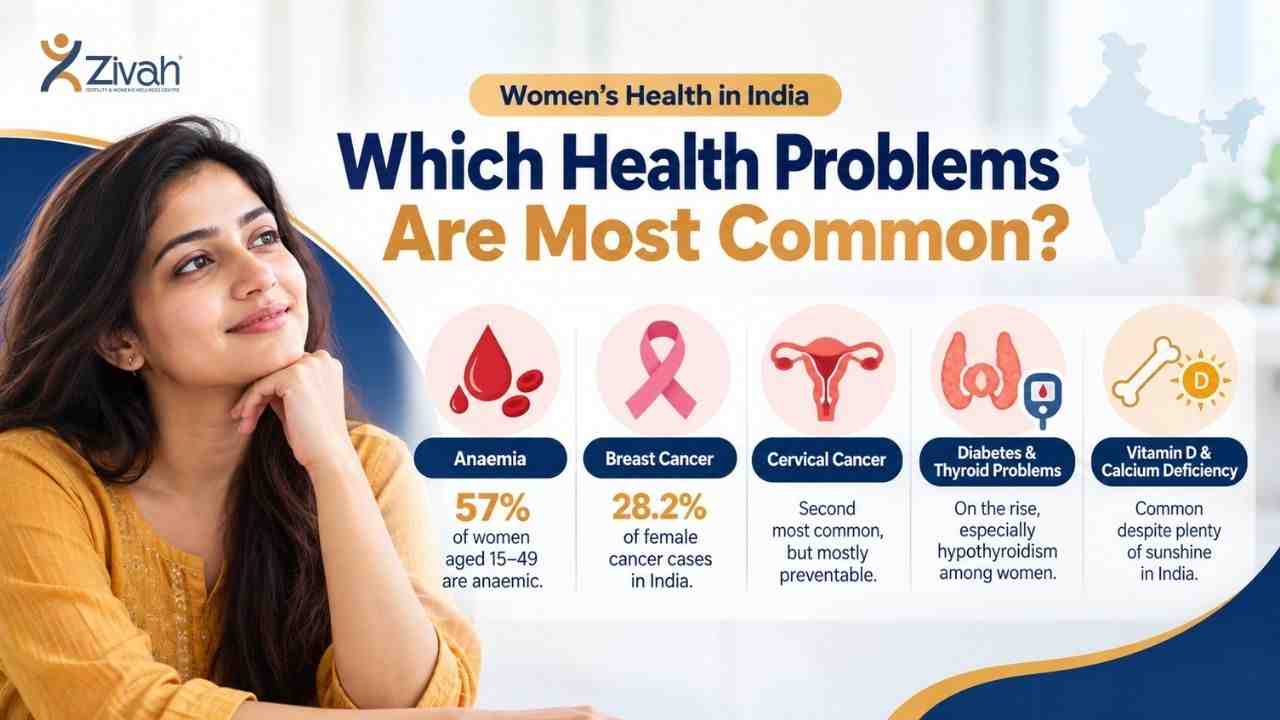
Some dangers are greater for Indian women, typically at earlier ages. The statistics on women’s health make this clear. The key women's health problems in India include:
- Anaemia: 57% of women aged 15-49 are anaemic (NFHS-5), often due to inadequate iron intake, heavy periods or closely spaced pregnancies
- Breast cancer: The most frequent cancer in Indian women, comprising 28.2% of female cancer cases (NCDIR)
- Cervical cancer: Second most common, but mostly preventable with vaccine and screening
- Diabetes and thyroid problems: both are on the rise, particularly hypothyroidism among women
- Vitamin D and calcium deficiency: common despite abundance of sunshine
Here is a brief list of female disorders, organised by body system, and the age at which each condition often arises:
| Body System | Common Conditions | Age It Usually Appears |
|---|---|---|
| Reproductive | PCOS, endometriosis, fibroids | Teens to 40s |
| Hormonal | Thyroid disorders, perimenopause, menopause | 20s onwards; menopause in the mid-40s to 50s |
| Blood | Anaemia | Teens onwards, especially during pregnancy |
| Heart & Metabolic | Diabetes, high blood pressure, heart disease | 30s onwards; rises after menopause |
| Cancers | Breast, cervical, ovarian | 30s onwards; risk rises after 40 |
| Bones & Joints | Vitamin D deficiency, osteoporosis, arthritis | 40s onwards |
| Urinary | UTIs, bladder control problems | Any age; more common after menopause |
| Mind & Brain | Anxiety, depression, dementia | Any age; dementia usually after 60 |
This table already suggests something. Most problems don’t occur randomly. They follow the calendar. And that calendar starts earlier than most women realise.
Teens and 20s: Which Women's Health Problems Show Up First?
The earliest difficulties that arise tend to be hormone-driven. Many are recognised years late because they are dismissed as 'just periods' or 'just stress'. Many of the most common diseases in women begin modestly in the teen years.
Periods, PCOS and Common Diseases of the Female Reproductive System
The menstrual cycle is the first health report of a girl. If it does change, it's generally trying to tell you something. The most prevalent illnesses of the female reproductive system at this age are:
- PCOS (polycystic ovarian syndrome): irregular or skipped periods, acne, excess hair on the face, and weight gain. It also increases the chance of diabetes and heart problems later on, which we’ll come back to.
- Endometriosis: period pain so bad you can’t go to school or work. Too many women live with it for years before anyone takes them seriously.
- Heavy periods: You change pads every hour or two or bleed for more than 7 days. This blood loss can cause anaemia over time.
These women’s reproductive health issues are usually overlooked and labelled as “ladies' problems”. “The delay is what makes them harder to treat.
Anaemia, Thyroid and Infections Young Women Often Miss
The calmer problems during this period seldom cause harm. They usually take a little more energy each month. Look out for signs of these women’s health problems:
- Anaemia & thyroid imbalance: persistent fatigue, hair loss, feeling cold, or unexpected changes in the menstrual cycle. Remember the 57% anaemia number? Much of it begins right here.
- UTIs & STIs: burning when you pee or odd discharge. Some infections, such as HPV, have no symptoms.
- Anxiety and low mood: Very prevalent in young women, but hardly ever spoken about.
The good news is that HPV, the main cause of cervical cancer, is preventable. The HPV vaccine is ideally given between 9 and 14 years of age, but catch-up doses can be given later.
What can help: Track your cycle, check your iron and thyroid levels, and remember the HPV vaccine. Then the 30s come. Many women start planning a family. Doctors start using a new word: high-risk.
How Does Women's Health Change After 35?
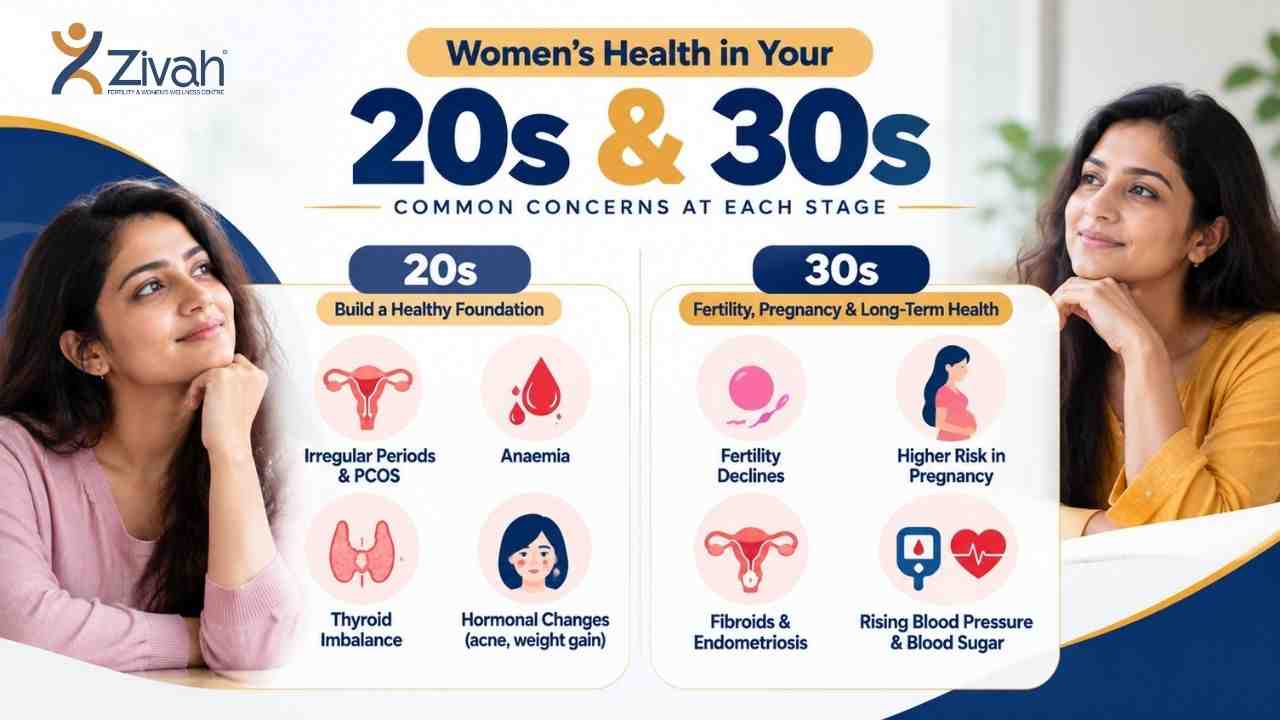
Turning 35 doesn’t change anything overnight. But fertility slowly declines, pregnancy risks grow, and your metabolism starts to change. The problematic thing is that many of these changes don’t generate evident women’s health problems or symptoms at first. That’s why women’s health after 35 needs a little additional attention.
Is Pregnancy After 35 Really High-Risk?
The honest answer is yes. But “high-risk” is not the same as “unsafe.” That only means more planning and more care. What is different about pregnancy after 35:
- Fertility drops: Egg quality and numbers drop off progressively, so it may take longer to conceive.
- More maternal health problems: The risk of gestational diabetes, high blood pressure in pregnancy (preeclampsia) and miscarriage increases. Preeclampsia also increases the risk of stroke and heart disease later in life.
- Postpartum depression: common and treatable, but sometimes masked by the phrase “I’m just tired.”
The most useful is pre-conception care. It's a big plus to have your diabetes, blood pressure and thyroid sorted before you get pregnant.
Fibroids, Endometriosis and the Silent Rise in Blood Pressure
Some changes in your 30s are simple to sense. Others only show up in a blood test or scan.
- Fibroids: The most prevalent non-cancerous growths in the uterus. They may cause heavy periods, a large or bloated lower belly and frequent urination.
- Endometriosis: a common hidden cause of infertility; it can become worse over time.
- Cholesterol and blood pressure: both begin to climb without warning.
And remember these figures, they’re more important than you think. What works at this age: If you are going to have a kid, book a preconception check, get yearly BP and sugar tests, and keep moving regularly.
If the 30s are about fertility, the 40s are all about hormones. And for Indian women, those changes typically arrive sooner than they expect.
Which Health Problems Are Common After 40 in Women?
Your 40s can frequently be a busy and settled time of life. But within the hormones start to change, and many women mistake early signs for stress or just plain old age. If you have ever wondered what health problems are typical after 40 in women, three stick out: perimenopause, breast health and blood sugar.
Perimenopause or Early Menopause? Signs Indian Women Should Know
Here's a little secret many women don't know: Indian women tend to go through menopause earlier than Western women, sometimes around age 46. The lead-up to it, called perimenopause, can start years earlier. Common perimenopause symptoms include:
- Irregular bleeding, lighter or heavier than normal
- Hot flushes, night sweats and sleep difficulties
- Vaginal dryness
- Mood fluctuations, anxiousness or low mood
That final one is important. Depression is the most common mental health disorder in women and can be triggered or made worse by hormonal changes. It should merit as much attention as any medical condition.
| Stage | What Happens | Common Signs | Typical Age in India |
|---|---|---|---|
| Perimenopause | Hormones start to fluctuate | Irregular periods, hot flashes, mood swings, poor sleep | Early to mid-40s |
| Menopause | No period for 12 months in a row | Hot flashes, night sweats, vaginal dryness | Around 46 |
| Postmenopause | Oestrogen stays low for good | Bone loss, higher heart risk, urinary changes | Late 40s onwards |
Breast Health, Diabetes and Thyroid in Your 40s
It is the decade where regular screening starts to save lives. Now, several common health problems are more probable among women.
- Breast change: Check for lumps, nipple changes or skin dimpling. Discuss with your doctor when to begin mammograms.
- Type 2 diabetes: it increases the risk of heart disease by around 4 times in women. Having had PCOS in the past makes you more at risk.
- Thyroid problems: These typically mimic menopause, with fatigue, weight gain and mood changes.
Remember those low BP numbers you had in your 30s? That's where they start to matter. What helps at this age: Add strength training, have a yearly sugar, thyroid and cholesterol profile, do not ignore symptoms.
Good women’s health after 40 starts with early conversations with your doctor. When periods end for good, the risk we alluded at in the very first section comes into view.
Women's Health Issues After 50: Why Heart and Bones Take Centre Stage
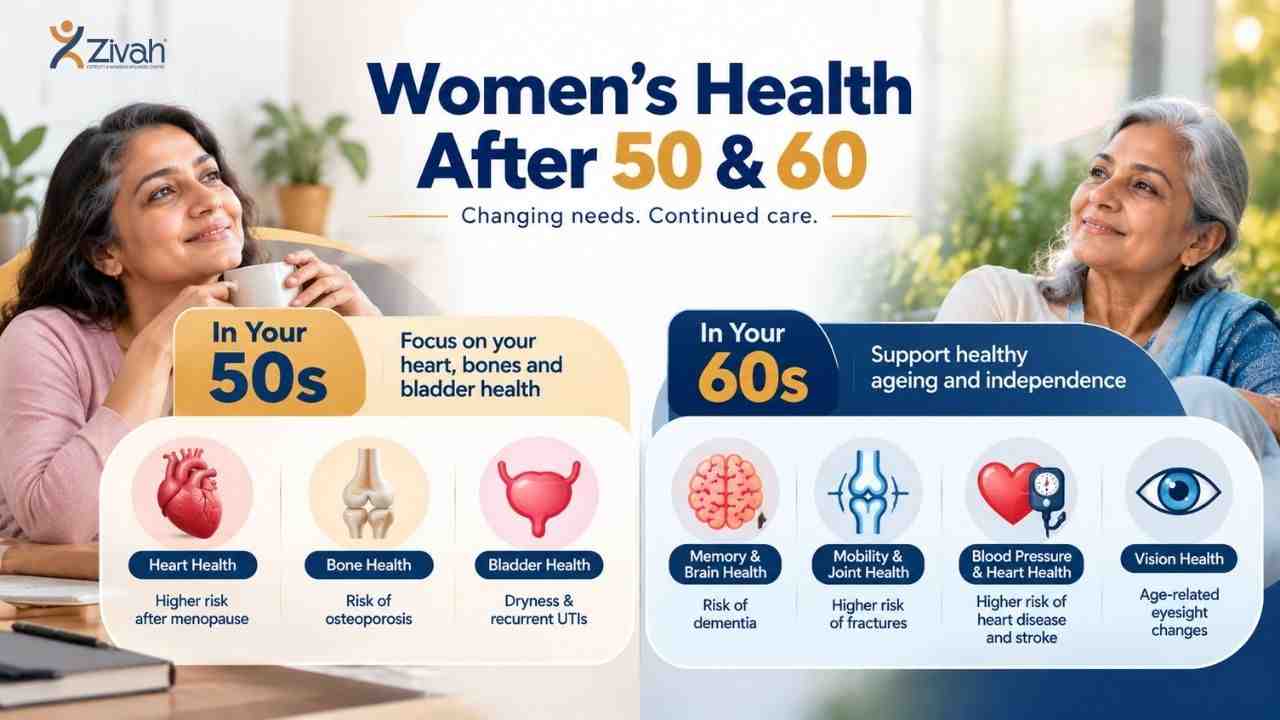
By 50, most Indian women are already post-menopausal. The drop in estrogen removes some of the body's natural protection. The most noticeable changes affect the heart, bones, and urinary health. That’s why women’s health after 50 looks so different than it used to.
How Heart Disease Shows Up Differently in Women
Remember the surprise at the start? Here's the catch: heart disease, not cancer, is the number one killer of women. The concern is that it shows up so silently.
Women’s warning signs of a heart attack are sometimes less obvious than the crushing chest pain most people think of. Nausea, weird weariness, breathlessness or discomfort in the jaw or back are easy to shrug off as acidity or stress. Stroke is also a genuine possibility. Stroke kills more women than it does men.
| Symptom Area | Classic Sign | How It Often Shows in Women |
|---|---|---|
| Chest | Crushing chest pain | Mild pressure or tightness, sometimes no pain at all |
| Breathing | Breathlessness with chest pain | Breathlessness on its own, even at rest |
| Stomach | Rarely mentioned | Nausea, vomiting or indigestion-like discomfort |
| Pain elsewhere | Pain down the left arm | Pain in the jaw, neck, back or either arm |
| Energy | Sudden collapse | Unusual tiredness for days beforehand |
Bones, Bladder and Gynaecological Cancers After Menopause
These are the three most common health problems for women over 50.
- Osteoporosis: bones become more brittle after menopause. It is often the first sign of a fracture from a small fall.
- Bladder and vaginal changes: Dryness, uncomfortable sex or recurrent UTIs affect nearly half of women after menopause. They’re common. Treatable.
- Gynaecological cancers: Any bleeding after menopause or constant bloating needs a check.
These may be early signs of endometrial or ovarian cancer. At this age, calcium and vitamin D, weight-bearing activity such as walking, and a regular heart check help.
Most women’s health problems beyond 50 are easier to treat if identified early. After 60, it is less about hormones and more about how well the body and mind are ageing.
Female Health Issues After 60: What Needs Closer Attention?
After 60, health is less about hormones and more about strength, sharpness, and independence. The women’s health issues after 60 you need to observe most closely are:
- Memory changes: almost two-thirds of people with Alzheimer's are women. Forgetfulness that gets in the way of daily life needs to be dealt with, not dismissed.
- Arthritis, falls & fractures: the bone loss we talked about after 50 catches up here. Severe fracture from a simple fall.
- High blood pressure and heart failure: Uncontrolled high BP stresses the heart.
- Vision, hearing and bladder control: small adjustments that quietly impact confidence and day to day living.
- Loneliness: Many older women live alone or depend on family for care, and health concerns can go unnoticed.
Good women’s health in old age means protecting body and mind. What's good at this age: being active, being socially engaged, regular memory and bone tests, and reviewing your medicines with your doctor. One thing links every stage from the teens to the 60s. Most of these problems are silent at first. This is where the check-ups come in.
What Health Checks Should Women Have by Age?
Most of the problems in this guide are silent in the beginning. Regular women's health checkups can catch them before symptoms appear, when they are still easier to treat. Here is everything we've spoken about so far, boiled down to one easy strategy.
Your Women's Health Check-Up Plan, Decade by Decade
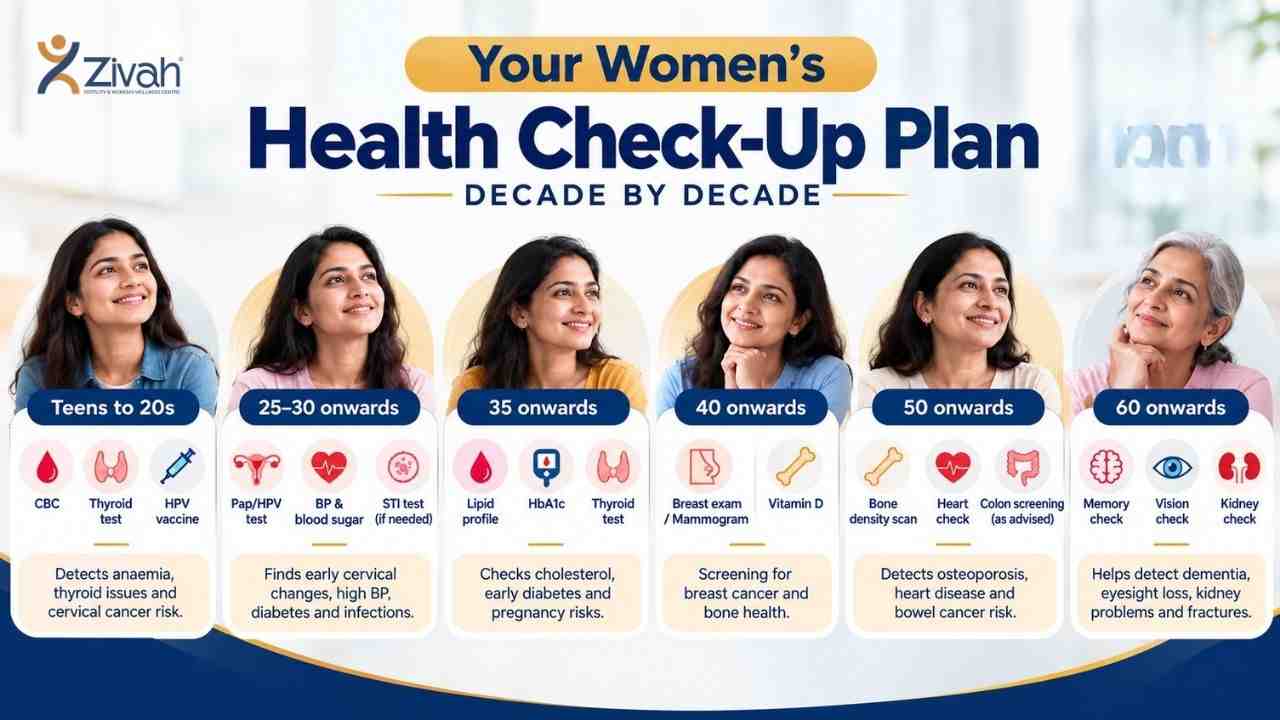
India has started the countrywide screening for blood pressure, diabetes and breast and cervical cancers from age 30. Your doctor may recommend testing sooner, based on your symptoms and family history. If you’ve ever wondered what health tests women should get by age, this table is your handy guide:
| Age Group | Key Tests | What It Catches |
|---|---|---|
| Teens to 20s | CBC, thyroid test, HPV vaccine | Anaemia, thyroid imbalance, future cervical cancer risk |
| 25–30 onwards | Pap/HPV test or VIA, BP, blood sugar, STI test if needed | Early cervical changes, high BP, diabetes, silent infections |
| 35 onwards | Lipid profile, HbA1c, thyroid, preconception check | Cholesterol, early diabetes, pregnancy risks |
| 40 onwards | Breast exam or mammogram, vitamin D | Breast cancer, bone health risks |
| 50 onwards | Bone density scan, heart check, colon screening as advised | Osteoporosis, heart disease, bowel cancer |
| 60 onwards | Memory, vision, kidney and bone checks | Dementia, eyesight loss, kidney problems, fracture risk |
Which Symptoms Should Never Wait for a Check-Up?
A yearly women's health check is important, but some symptoms should not wait for the annual visit. Call for medical help straight away if you see:
- Bleeding after menopause or between periods
- A new lump in the breast
- Chest ache, jaw pain or sudden shortness of breath
- Facial droop, slurred speech, sudden weakness of an arm or leg (seek emergency care)
- Severe pain in the pelvic or lower belly
- Low mood for weeks on end
Listening to these signals is key to women’s wellness. Half the battle is knowing what to check. The other part is having one place that does all the stages.
How Zivah Supports Women's Health and Wellness at Every Stage
As you move through the decades, your health needs change, and your care should evolve with you. Zivah offers everything a woman needs under one roof. Our gynaecology staff has expertise in periods, PCOS, fibroids, endometriosis and menopause.
Our prenatal and maternal-fetal medicine specialists will care for you through every pregnancy, including high-risk pregnancies after 35. We also offer diagnostic testing to help guard against cervical cancer. Not sure what tests you need right now? Book an age-appropriate women's health check-up with Zivah, and we'll go from there.
Conclusion: Your Health Changes With You
Women’s health concerns are typically predictable throughout life. In your teens and 20s, it’s menstruation, PCOS and anaemia. 30s: Pregnancy dangers and silent blood pressure. In your 40s: Perimenopause and breast health.
After 50, it’s the heart and bones that need fixing; after 60, memory and mobility. You don’t need to do it all at once. Check your age in the check-up chart above, then schedule the one exam you’ve been avoiding.
Your body is not betraying you. It’s just shifting. And knowing what’s on the horizon keeps you ahead of the game and in control of your women’s health at every age.
Frequently asked
01 What is the most common health problem in women?
02 What are the major health issues for women in India?
03 What health problems affect women more than men?
04 What diseases can only women get?
05 What health problems are common after 40 in women?
06 What are the common health problems for women over 50?
07 Why is anaemia so common in Indian women?
08 At what age should a woman have her first gynaecology check-up?
09 What tests are included in a women's health check-up?
10 How often should women get a full body check-up?